
ADA Compliance for Residential Rental Properties
Understand ADA compliance for rental properties, including requirements, accessibility standards, and landlord responsibilities.
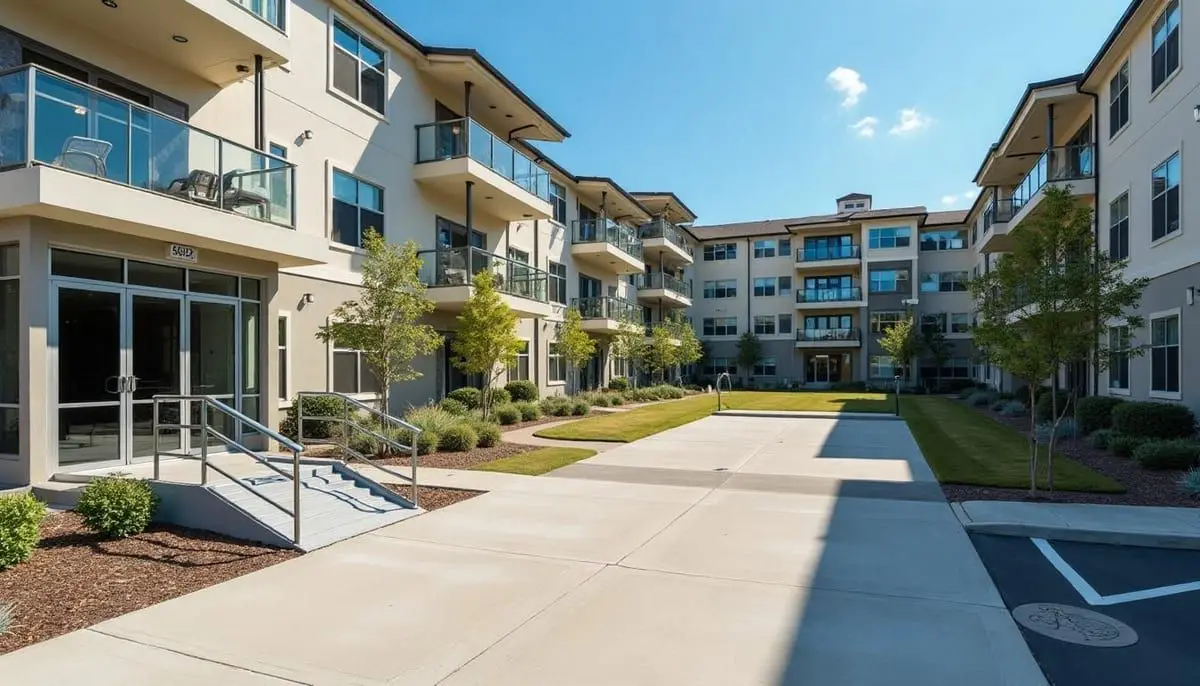
ADA compliance for residential rental properties
Owning and managing rental properties in the United States comes with a series of legal obligations, and among the most critical is compliance with the Americans with Disabilities Act (ADA). While often associated with commercial buildings, the ADA also affects residential rental properties, particularly multi-family units, common areas, and interactions with tenants who have disabilities.
Failure to comply is not just a legal risk; it can lead to costly retrofits, fines, and reputational damage. Understanding your obligations and implementing a system to ensure compliance is essential for any landlord or property manager, especially those managing large portfolios.
This guide provides a detailed roadmap for landlords, including legal requirements, practical strategies, and technology tools like Brickwise AI to maintain organized records and streamline compliance.
What the ADA covers in residential settings
The ADA is a federal civil rights law enacted in 1990 designed to prevent discrimination against individuals with disabilities. In residential rental settings, the law primarily addresses accessibility and reasonable accommodations.
Areas affected by the ADA
- Common areas – lobbies, hallways, laundry rooms, recreational facilities, elevators, and parking areas must be accessible.
- Unit interiors – kitchens, bathrooms, doorways, and hallways in newly constructed or significantly renovated units must meet accessibility standards.
- Policies and procedures – rules related to service animals, communication methods, modification requests, and tenant interactions must not discriminate against individuals with disabilities.
Landlords must consider both new construction and existing properties when assessing compliance obligations. ADA compliance extends to both physical accessibility and equitable treatment in policies and communication.
Key obligations for landlords
1. Accessible design and construction standards
All newly constructed residential buildings with four or more units must comply with specific accessibility standards. Key features include:
- At least one accessible entrance
- Accessible route to and within units
- Accessible kitchen and bathroom features, including counters, sinks, and appliances designed for wheelchair access
- Adequate maneuvering space for wheelchairs
- Accessible switches, outlets, and thermostats at reachable heights
Renovations and substantial alterations to existing structures may trigger compliance requirements if they affect more than 20 percent of a unit or common areas. Understanding these thresholds is critical to avoid inadvertent violations.
2. Reasonable accommodations
Tenants with disabilities may request modifications or accommodations to allow full use and enjoyment of their residence. Examples include:
- Installing grab bars or ramps
- Allowing a service animal in a no-pet property
- Adjusting lease terms, rent payment methods, or parking arrangements
Landlords may request verification of the disability but cannot deny a reasonable accommodation without legitimate cause. All requests and responses should be documented meticulously. Platforms like Brickwise AI can centralize these records, track timelines, and provide reminders to ensure compliance is maintained consistently.
3. Communication accessibility
Landlords must ensure communication with tenants is accessible. This may involve:
- Providing documents in alternative formats such as large print or digital accessible PDFs
- Ensuring phone, email, or messaging systems are usable by individuals with hearing or visual impairments
- Training staff on effective communication methods
Proper documentation and systemized communication can prevent misunderstandings that often lead to complaints. Using an AI platform like Brickwise AI allows landlords to track communication history and follow up efficiently, creating a transparent record for each tenant.
4. Policies and enforcement
It is critical that policies are applied consistently. Common pitfalls include:
- Refusing modification requests for older tenants while granting them to new tenants
- Allowing service animals for some tenants but not others
- Charging additional fees for accessible modifications
Consistency reduces both legal risk and tenant dissatisfaction. Brickwise AI can assist in enforcing consistency by providing standardized templates, automating reminders for accommodation requests, and generating reports that highlight policy application across properties.
Steps to achieve and maintain compliance
- Audit existing properties – Identify barriers in units and common areas using detailed checklists.
- Document findings – Keep a detailed record of accessible and non-accessible features for every unit and common area.
- Implement reasonable accommodations procedures – Standardize how requests are received, reviewed, approved, and tracked.
- Train staff – Ensure property managers and leasing agents understand ADA obligations and the documentation required.
- Monitor changes – Stay updated on federal guidance, state-specific accessibility laws, and evolving best practices.
- Leverage AI tools – Platforms like Brickwise AI make it easier to maintain centralized records, track modification requests, and schedule inspections to ensure ongoing compliance.
By combining structured processes with technology, landlords can efficiently manage ADA compliance across multiple properties, reducing risk and improving tenant satisfaction.
Benefits of proactive ADA compliance
- Reduces risk of lawsuits, fines, and complaints
- Improves tenant satisfaction and retention, particularly among tenants requiring accessible units
- Enhances property reputation and marketability
- Ensures equitable access for all tenants, making properties more inclusive
According to the National Multifamily Housing Council, accessible units are in increasing demand, and compliance can positively impact occupancy rates and reduce turnover.
Common mistakes to avoid
- Treating ADA compliance as optional or only for new construction
- Failing to document requests and actions related to accommodations
- Inconsistent application of rules or exemptions
- Ignoring small modifications that can prevent larger legal exposure
- Relying solely on memory or informal processes instead of structured tracking and record-keeping
Using platforms like Brickwise AI helps mitigate these mistakes by creating a central hub for property data, tenant requests, and maintenance activities.
Case example
A landlord managing 75 units received a request for a wheelchair ramp to access a ground floor unit. The request was delayed due to uncertainty about obligations. The tenant filed a complaint with HUD, resulting in both a fine and mandatory installation. If the landlord had a pre-documented process and used a system like Brickwise AI to track accommodation requests, property features, and maintenance schedules, the issue could have been resolved promptly without escalating to a complaint. The AI system would also provide a timeline and audit trail to demonstrate compliance, reducing legal exposure.
FAQs
Statistics and sources
- Nearly 15 percent of US adults have a disability that may impact housing needs (Source: US Census Bureau)
- Accessible units improve occupancy rates and tenant satisfaction (Source: National Multifamily Housing Council)
- ADA complaints in housing settings have steadily increased over the past decade (Source: US Department of Justice)
- Delayed or denied accommodations represent the majority of complaints (Source: HUD)
- Legal penalties for noncompliance can exceed $75,000 for repeated violations (Source: US Department of Justice)
Final takeaway
ADA compliance is more than a checklist. It is an ongoing commitment to equitable access, consistent policies, and proper documentation. Landlords who establish clear procedures, maintain organized records, audit properties regularly, and leverage AI tools like Brickwise AI reduce risk, foster positive tenant relationships, and ensure the legal integrity of their portfolio. Proactive management of accessibility is not just about compliance—it is about building a portfolio that is fair, inclusive, and resilient.