
Normal Wear and Tear vs Damage Law
Learn the legal difference between normal wear and tear and damage, how courts decide disputes, and how landlords protect themselves.
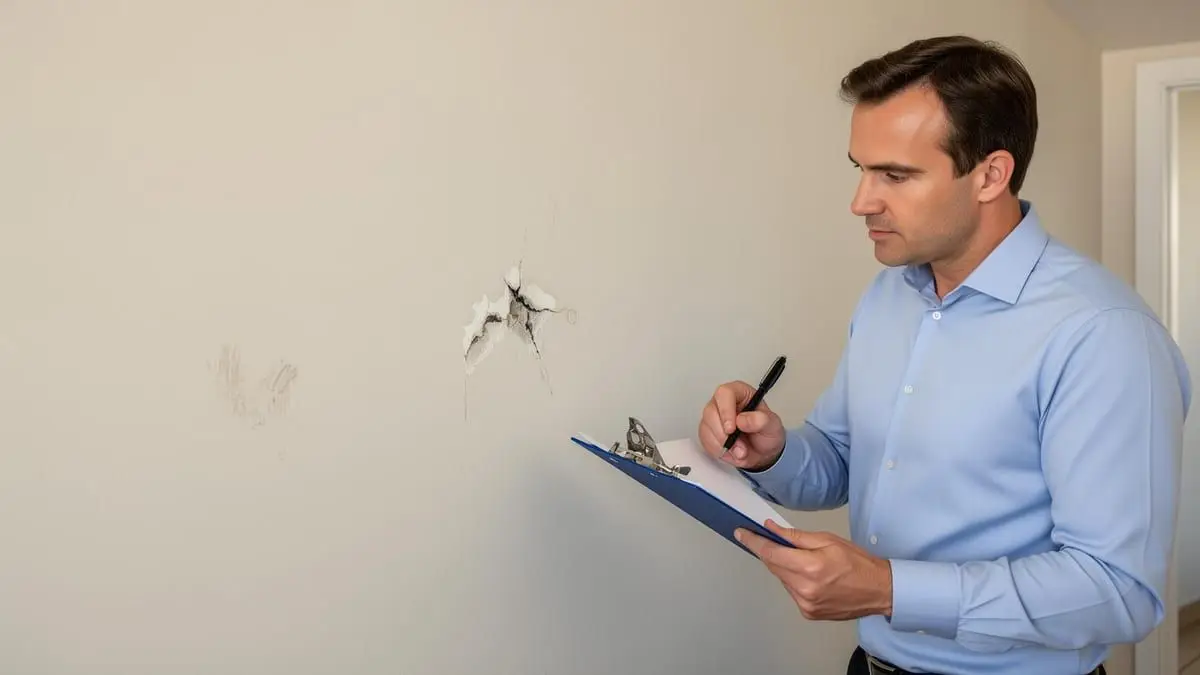
Few issues create more landlord tenant conflict than disagreements over move out charges. Security deposits are often the largest sum of money tenants expect to receive back, and when deductions appear, emotions run high. From the tenant's perspective, the unit looks used but livable. From the landlord's perspective, repairs cost real money and time. The legal line between normal wear and tear and damage is where these disagreements either end quietly or escalate into legal disputes.
There is no single federal definition that settles the issue across the United States. Instead, courts rely on a combination of state statutes, lease language, prior case rulings, and reasonableness standards developed through decades of landlord tenant litigation. Judges look closely at facts, timelines, and evidence rather than opinions or assumptions.
Understanding how the law interprets wear versus damage is essential for landlords who want to make lawful security deposit deductions, avoid penalties, and defend their decisions when challenged. This guide breaks down the legal meaning of normal wear and tear versus damage, explains how courts evaluate disputes, and shows how landlords can protect themselves through documentation, consistency, and structured record keeping.
What is normal wear and tear
Normal wear and tear refers to the natural and gradual deterioration of a rental unit that occurs through ordinary, intended use over time. It assumes the tenant lived in the property in a reasonable manner and did not misuse or neglect the premises. Every rental unit ages, even when occupied by careful tenants.
Courts generally view normal wear and tear as an unavoidable cost of operating rental housing. These costs are built into rent pricing and long term maintenance planning, not passed back to tenants at move out.
Common characteristics of normal wear and tear include gradual progression rather than sudden damage, visible aging consistent with the length of tenancy, and deterioration that would have occurred regardless of who lived in the unit.
Typical examples include light carpet flattening in high traffic areas, minor scuff marks on walls from furniture movement, faded paint caused by sunlight exposure, worn cabinet hardware, and loose door handles from repeated use. These issues reflect time and occupancy, not tenant misconduct.
What legally qualifies as damage
Damage goes beyond ordinary use and results from abuse, negligence, accidents, or failure to follow lease terms. Damage is usually avoidable and often appears suddenly or in concentrated areas rather than evenly across the unit.
Courts look for signs that the tenant's actions directly caused the problem. This may include physical force, misuse, unauthorized alterations, or failure to report issues that later worsened.
Examples commonly classified as damage include large holes in walls, broken doors or windows, heavily stained or torn carpet, missing fixtures, cracked countertops, water damage caused by neglect, and unauthorized painting or remodeling. Unlike wear, these conditions typically justify charges when properly documented.
Why the distinction matters legally
The difference between wear and damage determines whether a landlord may lawfully deduct from a security deposit. In most states, charging tenants for normal wear and tear is prohibited. Even small improper deductions can trigger penalties, loss of the entire deposit, or statutory damages.
When disputes reach court, judges consider several key factors. These include the length of the tenancy, the age and condition of the item at move in, the quality of materials originally installed, and whether the landlord applied depreciation appropriately. Judges also examine the quality of the landlord's documentation.
A five year tenancy with visible carpet wear is treated very differently from a one year tenancy where new carpet is destroyed. Time matters as much as condition.
Useful life and depreciation concepts
Useful life plays a central role in wear and damage cases. Useful life refers to how long an item is expected to last under normal use before replacement is required. Courts often rely on industry standards or prior rulings when evaluating useful life.
Common reference ranges include paint lasting three to five years, carpet lasting five to seven years, and major appliances lasting eight to ten years. These are guidelines rather than guarantees, but they heavily influence judicial decisions.
If an item has exceeded its useful life, landlords generally cannot charge tenants for replacement even if the item looks worn. When damage shortens useful life, landlords may charge only the remaining depreciated value rather than full replacement cost.
Accurately tracking installation dates, prior repairs, and maintenance history is critical. Brickwise AI helps landlords store this information at the unit level, making it easier to apply depreciation fairly and defend charges when questioned.
How state laws approach wear and damage
While the core concept of wear versus damage is similar nationwide, enforcement varies widely by state. Some states include wear and tear language directly in statutes governing security deposits. Others rely more heavily on court interpretations and local precedent.
States such as California, New York, Washington, and Illinois apply strict standards. In these jurisdictions, landlords must provide detailed itemized statements and strong evidence or risk losing the right to make any deduction at all.
Landlords operating across state lines must understand that the most restrictive applicable rule usually controls. Ignorance of local enforcement standards rarely provides protection.
The role of move in and move out inspections
Inspections form the foundation of nearly every wear and damage decision. Without clear baseline documentation, disputes often default in the tenant's favor. Courts expect landlords to prove how a unit changed during a tenancy.
Effective inspections involve more than a checklist. They include detailed written notes, timestamped photos or videos, consistent standards across properties, and tenant acknowledgments when possible. The goal is to create a clear before and after comparison that leaves little room for interpretation.
Brickwise AI allows landlords to store inspection records, photos, and notes in one centralized system, making it easier to compare conditions and respond quickly when disputes arise.
Expanded legal analysis of how courts decide disputes
Judges do not rely on landlord opinions or tenant emotions. They rely on evidence, timelines, and reasonableness. The most common judicial questions include how long the tenant lived in the unit, whether the item was already aging, and whether the landlord can prove tenant responsibility for the loss.
Judges also apply a common sense test. If deterioration would have occurred regardless of who lived there, it is likely wear. If damage appears excessive or preventable, it leans toward chargeable damage.
Length of tenancy carries significant weight. A six month tenant is judged differently than a six year tenant. Attempting to charge long term tenants for cosmetic decline often backfires and damages credibility.
Item specific issues landlords struggle with
Flooring disputes are among the most common. Carpet compression, traffic lanes, and fading are worn. Burns, pet urine saturation, and torn fibers qualify as damage. Hardwood and vinyl floors raise separate issues, where minor scratches may be wear but deep gouges or water damage are not.
Wall and paint issues follow similar logic. Minor scuffs, faded paint, and small nail holes are worn. Large anchor holes, unauthorized wallpaper, and heavy markings often qualify as damage. Repainting between tenants is typically considered normal turnover.
Kitchens and bathrooms require careful analysis. Grease buildup, mineral deposits, and aging caulk usually fall under wear. Broken tiles, cracked fixtures, and misuse of plumbing may qualify as damage when supported by evidence.
Cleaning standards and legal limits
Most states prohibit charging tenants for routine cleaning. The legal standard focuses on whether the unit was left in substantially the same condition as move in, excluding normal wear. General turnover cleaning is considered a landlord expense.
Excessive filth, pest infestations caused by tenant behavior, or hazardous waste conditions may justify cleaning charges. Courts expect photos, invoices, and clear explanations.
Unauthorized alterations and restoration costs
Unauthorized alterations often create strong damage claims. These include painted accent walls without permission, installed shelving, wall mounts, flooring changes, or electrical modifications. Landlords may charge reasonable restoration costs but must avoid improving the unit beyond its original condition at the tenant's expense.
Security deposit deductions and proportionality
Even when damage exists, courts expect proportional charges. Charging full replacement cost for partial damage often results in reduced awards. Depreciation must be applied when repairs extend an item's life beyond its expected range.
Brickwise AI assists landlords by storing depreciation schedules, prior repairs, and unit histories, reducing the risk of overcharging.
Burden of proof rests with the landlord
In nearly all states, the burden of proof rests with the landlord. Tenants are not required to prove innocence. Landlords must prove damage. Without strong documentation, courts usually side with tenants.
Effective proof includes move in inspection records, move out comparisons, dated photos, and invoices showing actual costs. Estimates alone carry less weight.
Managing large portfolios without errors
As portfolios grow, inconsistency becomes the biggest risk. Different managers making different judgment calls creates exposure. Standardized inspection templates, defined useful life policies, centralized records, and regular compliance reviews reduce this risk.
Brickwise AI supports portfolio level consistency by allowing landlords to apply the same standards across all units ...